- And The Rest Is Leadership: Putting AI In Context
- Posts
- And The Rest Is Leadership 18th January '26
And The Rest Is Leadership 18th January '26
Helping Leaders Translate AI Into The Context Of Their Organisations.

Tony Evans
January 18, 2026 • Estimated Reading Time: 9 minutes

🌟 Editor's Note
Welcome to the bi-weekly newsletter which focuses on the AI topics that leaders need to know about. In this AI age, it’s not the knowledge of AI tools that sets you apart, but how well they can be integrated in the context of your business.
This requires a focus on your people and helping them through the change above any AI product you can buy.

Featuring
Three Things That Matter Most
In Case You Missed It
Tools, Podcasts, Products or Toys We’re Currently Playing With
ChatGPT Ads Arrive | Apple and Google Join Hands | Gemini increases in usage but lags ChatGPT |
ChatGPT Ads Arrive
OpenAI have announced that they will begin running advertisements in ChatGPT for users of its free tier and its lower-cost “ChatGPT Go” subscription, initially in the United States. This marks a significant pivot in how the company monetises its AI platform.
OpenAI have been very deliberate in their framing: ads will not drive answers, will remain distinct from responses, and will be clearly marked. As all the big tech companies know, user trust is a core asset. Currently, conversational AI is well trusted. How well OpenAI preserves it will determine whether users tolerate ads or migrate to alternatives. Paid tiers such as Plus, Pro, Enterprise and Business will remain ad-free.
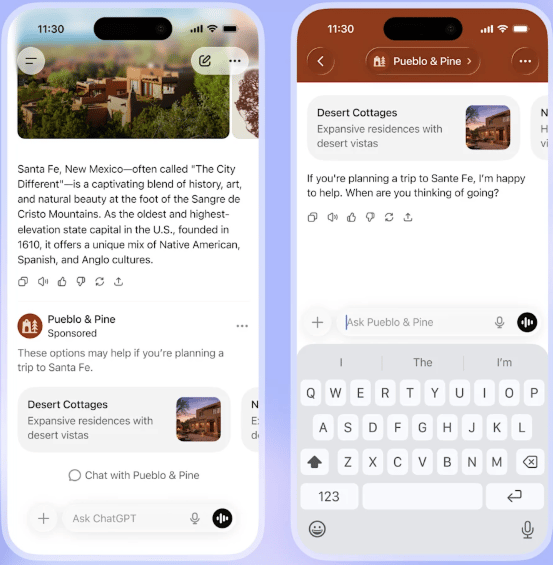
Mock up showing how ads may appear - Source OpenAI
AI economics will shape AI behaviour, and leaders should watch monetisation choices as closely as model capabilities. This move also points to a new category of advertising, context-driven and intent-based, shaped by natural language rather than clicks or feeds.
The strategic question is not whether ads appear, but whether they can coexist with high-trust, high-utility experiences. The tiered access and premium subscriptions are not sufficient to drive the kind of money required to fulfil the projected spending that OpenAI has for coming years.
ChatGPT has hundreds of millions of active users globally, most of whom use it for free. Introducing ads helps OpenAI develop a sustainable commercial model without making every user pay directly, a strategy similar to major consumer platforms that rely on advertising revenue at scale.
This initiative is significant for advertisers because AI systems represent a new form of intent-based placement. If done well, this could evolve into a powerful commercial channel beyond traditional search or social platforms.
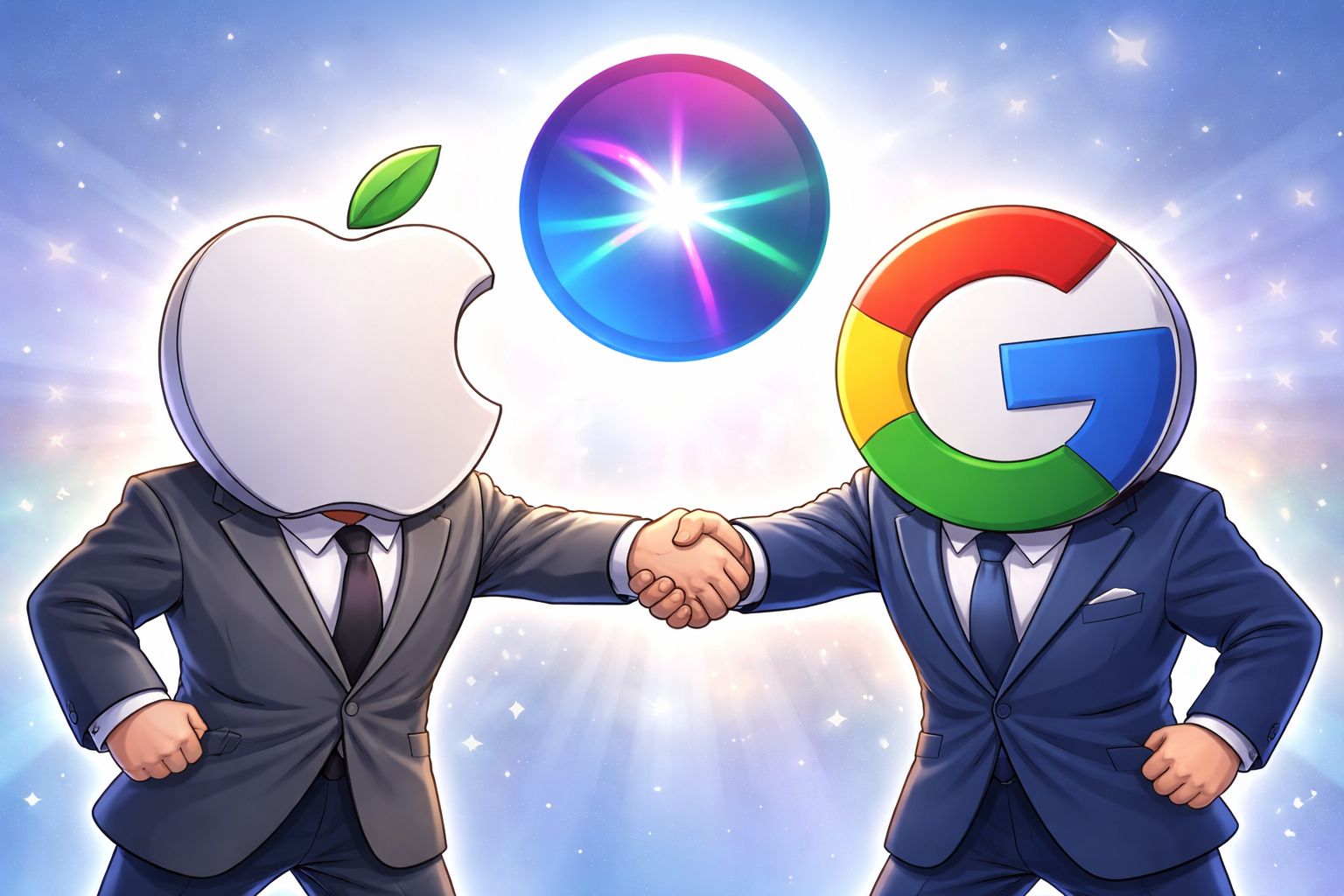
When Apple CEO Tim Cook promised an updated version of Siri would be released in 2026, many assumed it would be powered by Apple's own AI models. Apple and Google just announced a multi-year partnership where Google's Gemini models and cloud technology will power the next generation of Apple Foundation Models, including a major Siri upgrade expected later this year.
The headline is simple: Apple is using Google’s Gemini models to power the next generation of Siri. The implication is not as straightforward.
Apple had already faced criticism after delaying its Siri AI upgrade last year, despite marketing the feature. Apparently their AI models are not yet ready for prime time and given this move with Google, it looks like they are going to rely on partnerships rather than building alone. Partnering with Google signals something important: speed and capability now matter more than Apple’s previous approach of building core user technologies in-house, especially those tied to experience and privacy
For Google, this is a distribution win of historic scale. Gemini will effectively sit behind interactions on billions of Apple devices, reinforcing Google’s position as a foundational AI layer rather than just a consumer brand.
Takeaways for Leaders
The leadership lesson is clear: AI strategy is not about building everything yourself. It is about knowing where to differentiate and where to partner.
The companies that win with AI will not be those that insist on ownership at all costs, but those that make pragmatic decisions about speed, leverage, and focus.
Google’s Gemini shows increases in usage but lags ChatGPT
Similarweb, a digital intelligence company, revealed in their 2025 Generative AI report that overall, web visits to GenAI platforms rose about 76% year‑over‑year. GenAI app downloads increased more than threefold.
ChatGPT dominates overall traffic in 2025, in line with Similarweb’s broader finding that it accounts for roughly two‑thirds of all GenAI tool web visits by mid‑2025.
In December, Gemini traffic increased by 28.4% month-over-month, while ChatGPT traffic decreased by 5.6%, the data shows. In the context of the smaller base that Gemini has, this is less consequential than it may sound, as the chart below depicts. It is still a trend that has OpenAI concerned, given the recent ‘Code Red’ period at OpenAi.
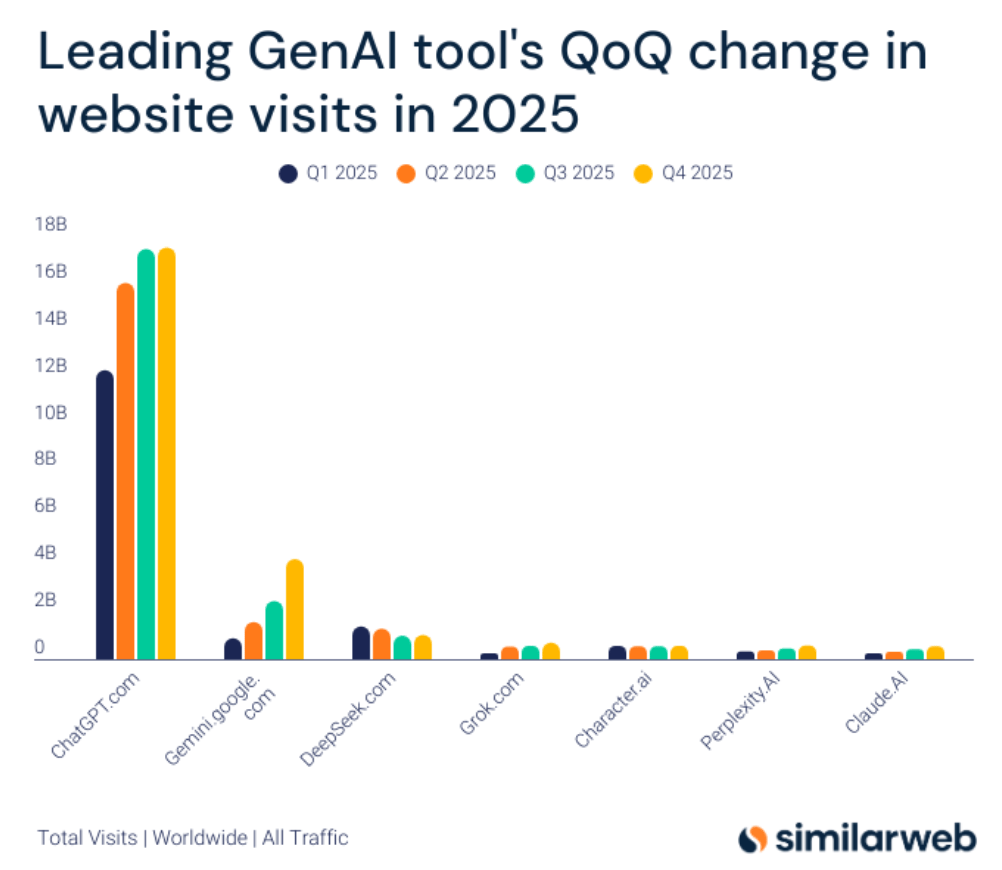
NB The chart's data only tells part of the story, only accounting for site visits to sites like ChatGPT.com and gemini.google.com. It does not factor in use of the consumer apps or other integrations, like Google's AI overviews in Google Search.
Takeaways For Leaders
The chart highlights a pressure point for OpenAI - Google can manufacture growth through defaults and the vast troves of data from previous user and advertiser behaviour and decades of user trust.
It also explains OpenAI’s moves into ads, partnerships and embeddings and their focus on being a daily work tool, not just a chatbot. Early AI growth was about user curiosity. Now it is about where AI is embedded, who controls entry points and who owns workflows.
🔥 In Case You Missed It…
Grok is in massive trouble.
The background: X was flooded with AI-generated non-consensual nude and sexualized images created using the Grok chatbot. These were often of real individuals including public figures, private people, and in some reported cases minors, underscoring how generative tools can be weaponised without safeguards
This controversy highlights a growing risk for companies deploying generative AI without strong safeguards. The issue was not simply misuse. It was that guardrails were weak, reactive, or absent, allowing harmful content to scale before controls were introduced. Governments have since warned of investigations, fines, and tighter regulation, signalling that tolerance for “move fast and fix later” AI strategies is ending.
For leaders, the lesson is clear. AI capability without governance creates legal, reputational, and regulatory exposure. Safety is no longer a policy footnote, it is a core operational requirement.
🏆 Tools, Podcasts, Products Or Toys We’re Playing With This Week

Want A Simple Way To Improve Your Prompts ?
This week, it's not a tool, but a simple AI habit that has been improving our accuracy. The big takeaway for many companies over the last year has been that AI performance is not about the model or tech you implement, it is about how people use it.
Thanks to a learning from a recent Google Research paper, literally saying things twice in a prompt is improving the output you can get from a GPT.
There is no new technology involved. No additional cost. No specialist skills required. The same question, asked twice, reduces the likelihood of incorrect or drifting responses.
It works best when AI is used for fact retrieval, categorisation/tagging and ‘short decision support’ (things like “which option fits best?”). It does not replace human judgment or strategic thinking. Repetition adds little value when problems require reasoning, trade-offs, or context-heavy decisions.
Did You Know?
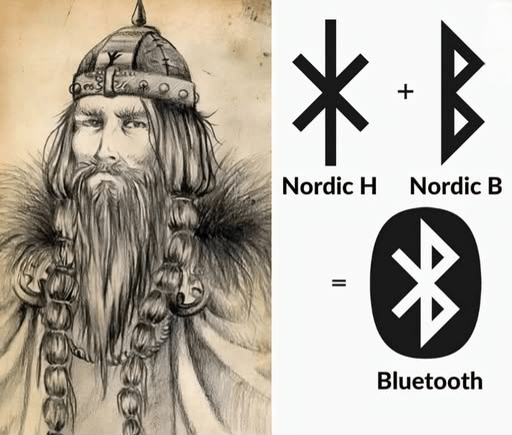 | Bluetooth is named after a Viking king who united warring tribes |
Till next time,